




 back to blog overview
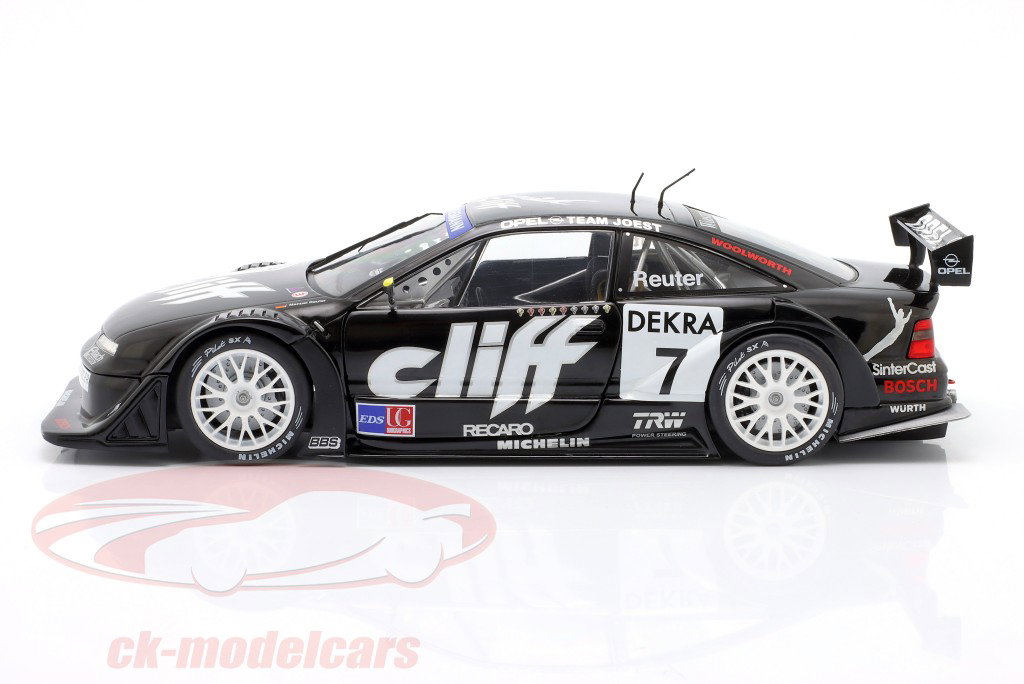
To gain a more international focus, the International Touring Car Championship (ITC) was founded for the 1995 season, running parallel to the DTM. In 1996, only the ITC was contested. As costs continued to rise due to the increasing complexity of the cars, the withdrawal of Alfa Romeo and Opel left only Mercedes-Benz as the sole manufacturer. Consequently, the series was discontinued after that season and only returned as the DTM in the 2000 season.
After his Formula racing career, Manuel Reuter first entered the DTM in 1985, forming the Ford Junior Team together with Bernd Schneider and Frank Biela. He moved to Mercedes-Benz for the 1989 season, and then joined Opel as a test driver for the 1991 season. There, he returned to the wheel of a DTM car in 1992 as a development driver and, starting in the 1993 season, became Opel's flagship driver with the Calibra. In 1996, he crowned his career with the ITC championship title.
Besides the DTM, he also celebrated two overall victories at Le Mans. His first win came in his debut year in 1989 in the Sauber C9, together with Jochen Mass and Stanley Dickens. His second victory came in his golden year of 1996, when, in addition to the ITC championship title, he also won the 24 Hours of Le Mans for the second time in a TWR sports car with a Porsche engine, fielded by his DTM team, Joest.
The second and final season of the ITC comprised a total of 26 races held in eight countries. In a field with an extremely high level of competition, Manuel Reuter achieved three victories at Hockenheim and the Nürburgring, as well as six further podium finishes. His consistent performance was enough to secure the championship title against Bernd Schneider with 218 points to Schneider's 205.
His car, the Opel Calibra, was the coupé successor to the Opel Manta, based on the Opel Vectra. Based on this vehicle, Opel developed prototypes that competed in the ITC between 1993 and 1996 as the successor to the Opel Omega. Equipped with all-wheel drive and a 2.5-liter naturally aspirated V6 engine, the Opel Calibra complied with the new regulations that came into effect for the 1993 season. After some test runs in 1993, Opel addressed the car's weaknesses over the following two seasons and, with Manuel Reuter at the wheel, was fully competitive in 1996, securing Opel's only DTM title in history. Although the 1996 season was not officially run under the DTM name, it is generally still included in the DTM standings.
The Opel Calibra V6 4x4 was particularly outstanding from a technical standpoint. The ITC was considered the most advanced touring car series of all time in the 1996 season. The car was so technically complex that components like stabilizers and ride height could be adjusted during a lap, depending on the corner. On the straights, the air intakes could be closed to improve aerodynamics. All these sophisticated technologies made the series unique – but unfortunately, they also drove costs so high that it became unsustainable for the manufacturers.
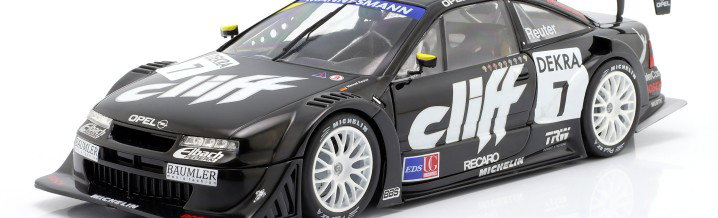
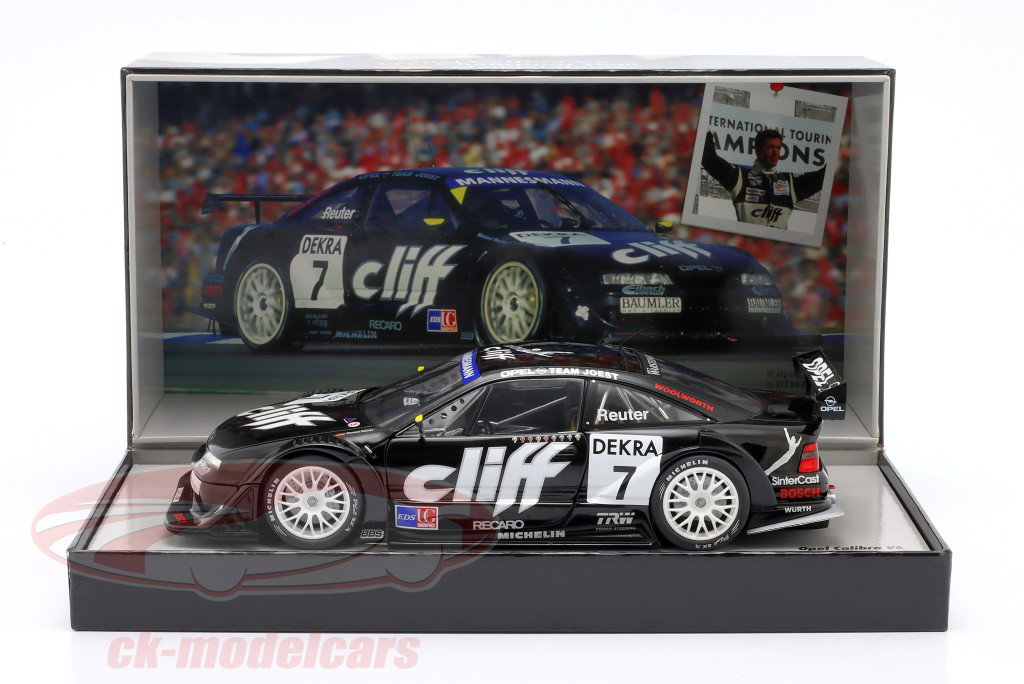
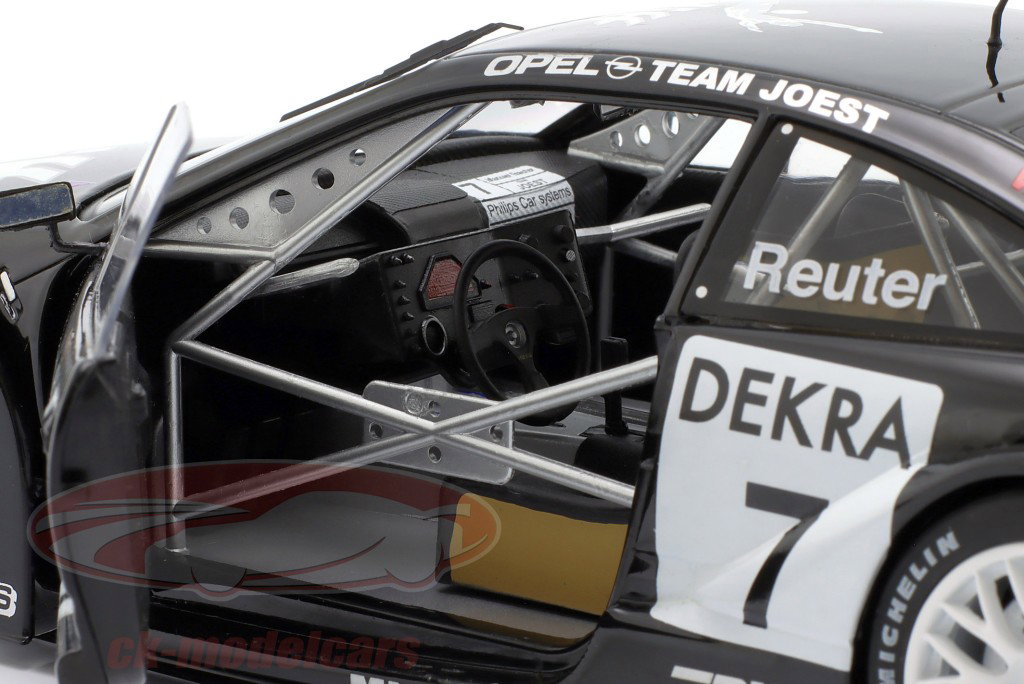
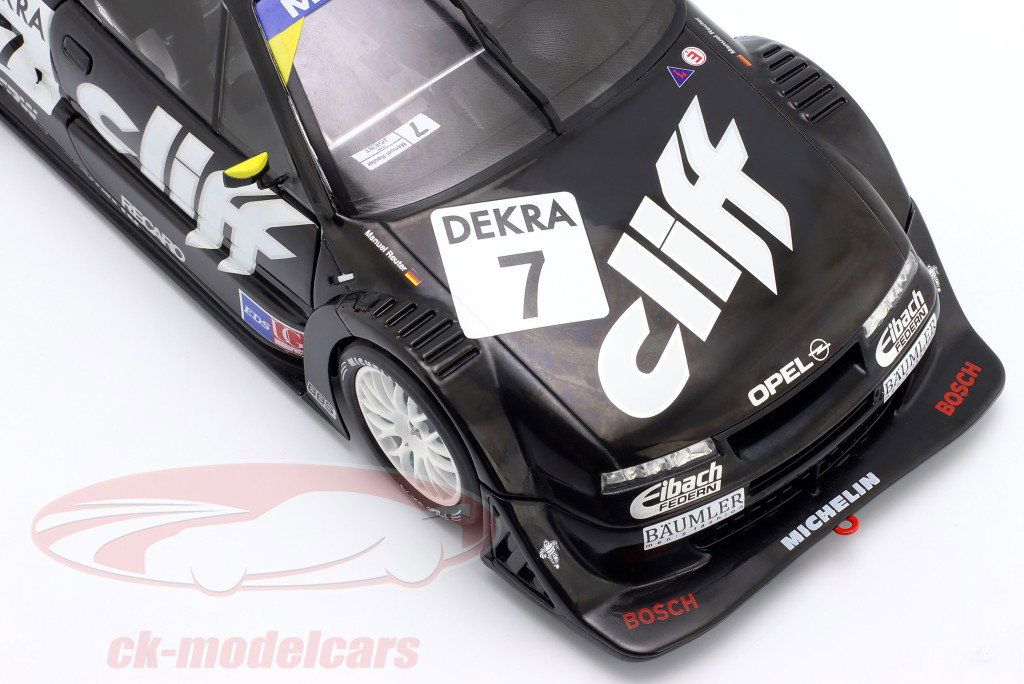
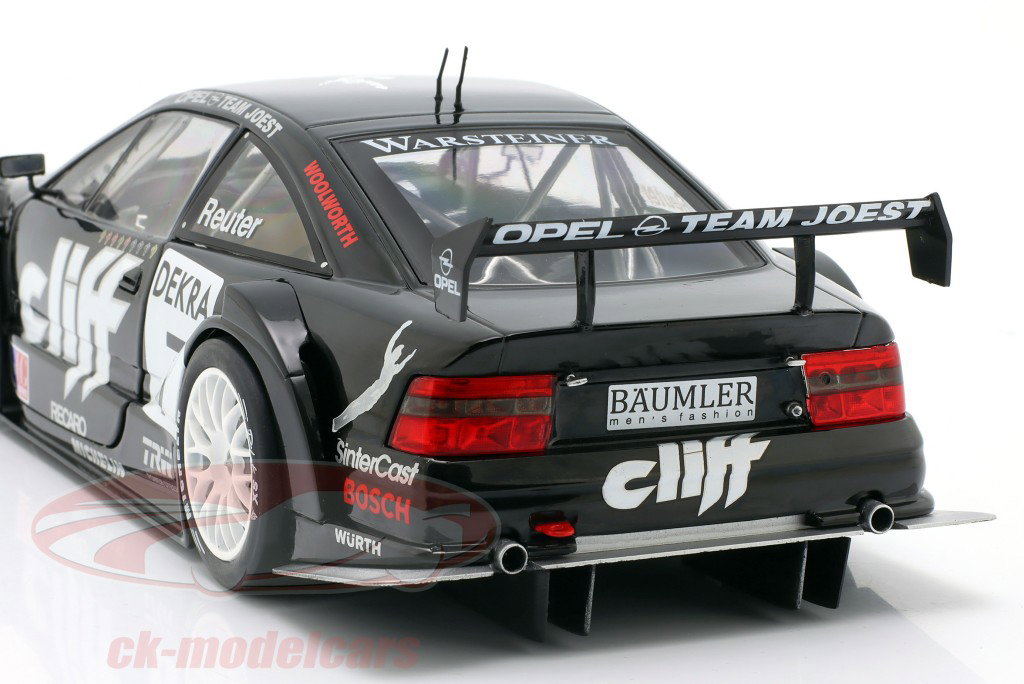
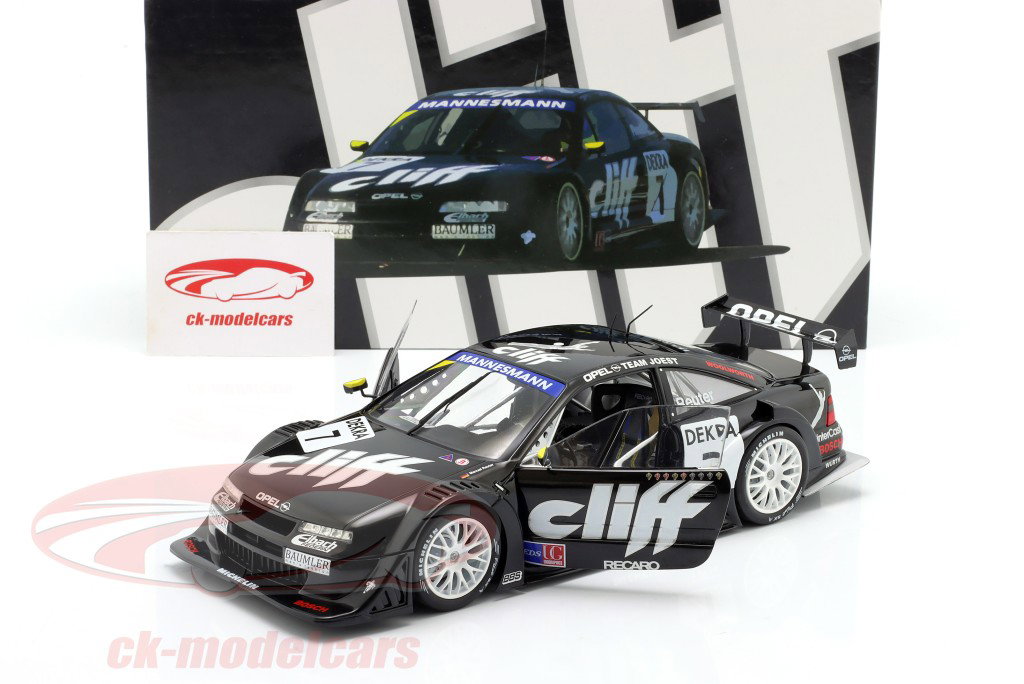
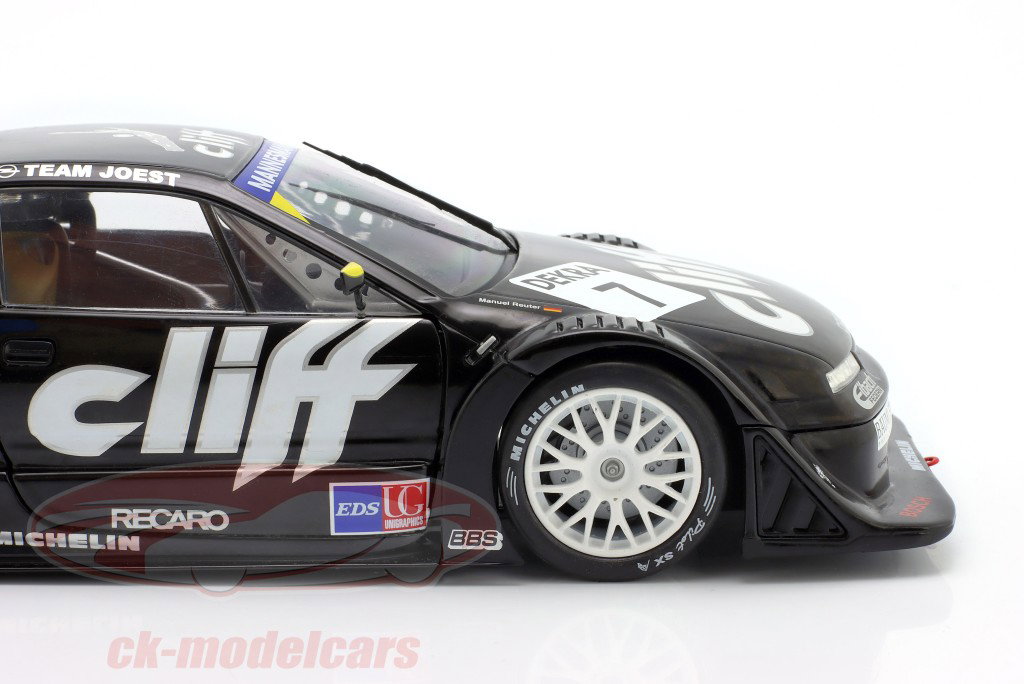
Thus, the ITC cars remain exceptional examples of the highest engineering and are still popular with fans today. The Calibra, especially in its black Cliff livery, remains a vivid image for many motorsport enthusiasts. This model in scale 1:18, produced by WERK83, is of the usual high quality and accurately reflects the original. It features a faithful replica of the cockpit, steerable front wheels, opening doors, and comes in a high-quality collector's box.
Manuel Reuter #7 Opel Calibra V6 4x4 Team Joest DTM / ITC Champion 1996 1:18, RRP €79.95, item-no.: W1802011C
produkter
 | Manuel Reuter #7 Opel Calibra V6 4x4 Team Joest DTM / ITC champion 1996 1:18 WERK83 | 79,95 € |
 [06.08.2026] Conqueror of the "Green Hell"
 [30.07.2026] Momo-founder Gianpiero Moretti: DRM-Guest appearance at the Norisring